Hamed Rajabi
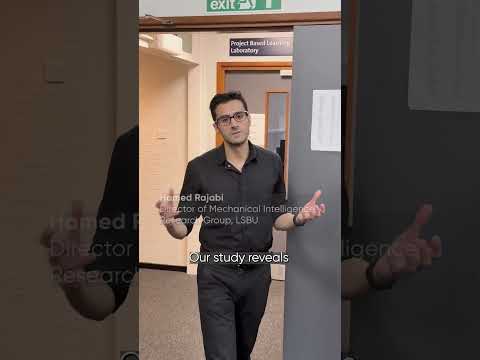
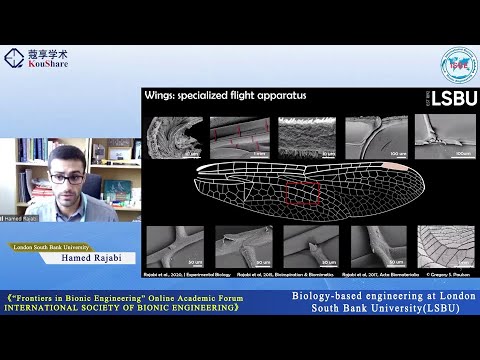
Director of the Mechanical Intelligence Research Group at LSBU. He holds dual doctorates in Engineering and Natural Sciences and works at the interface of biology and engineering. His research focuses on using Mechanical Intelligence to transform engineering design, with more than 90 publications in leading journals including PNAS, Science Robotics, and Advanced Science.
“Life is a complicated engineering phenomenon and, hence, any investigation on living systems should be accomplished within the framework of engineering principles and processes.”
Abolfazl Darvizeh (1951-2021)
We study life from an engineering perspective to understand the design and technological complexities of living systems. We combine knowledge and expertise from different fields with the aim to develop life-inspired concepts and elaborate them into a technology readiness level.
Join us in our journey to unravel the complexities of biological systems and learn from them to make engineering structures with enhanced performance. We welcome anyone who wants to help us to develop a diverse and vibrant community. We are currently looking for creative and passionate postgraduate students and postdocs.
Get in touch with us
We are also deeply committed to promoting equality, diversity, and inclusion (EDI), aligning with LSBU’s strong focus on reducing inequality. In the 2024 Times Higher Impact Rankings, LSBU was ranked third in the world for its efforts in this area. As part of this mission, we foster an inclusive, supportive environment that welcomes diverse perspectives and encourages collaboration from all backgrounds.
We invite postgraduate students, postdocs, industry professionals, and research collaborators to join us in pushing the boundaries of what’s possible. Whether you're looking to collaborate on innovative projects, join a leading research community, or work on solving real-world challenges through Mechanical Intelligence, there’s a place for you in our group.
Meet our team
Studies increasingly shed light on the remarkable mechanical performance of biological systems. So, more investigations not only help us to understand surprising principles that underlie the functionality of natural materials and structures, but also open new avenues for the development of engineering systems with enhanced performance. Our scientific impact spans from fundamental science to technical applications.
Media archive
Watch selected research clips, demonstrations, and visual experiments from the Mechanical Intelligence research group.
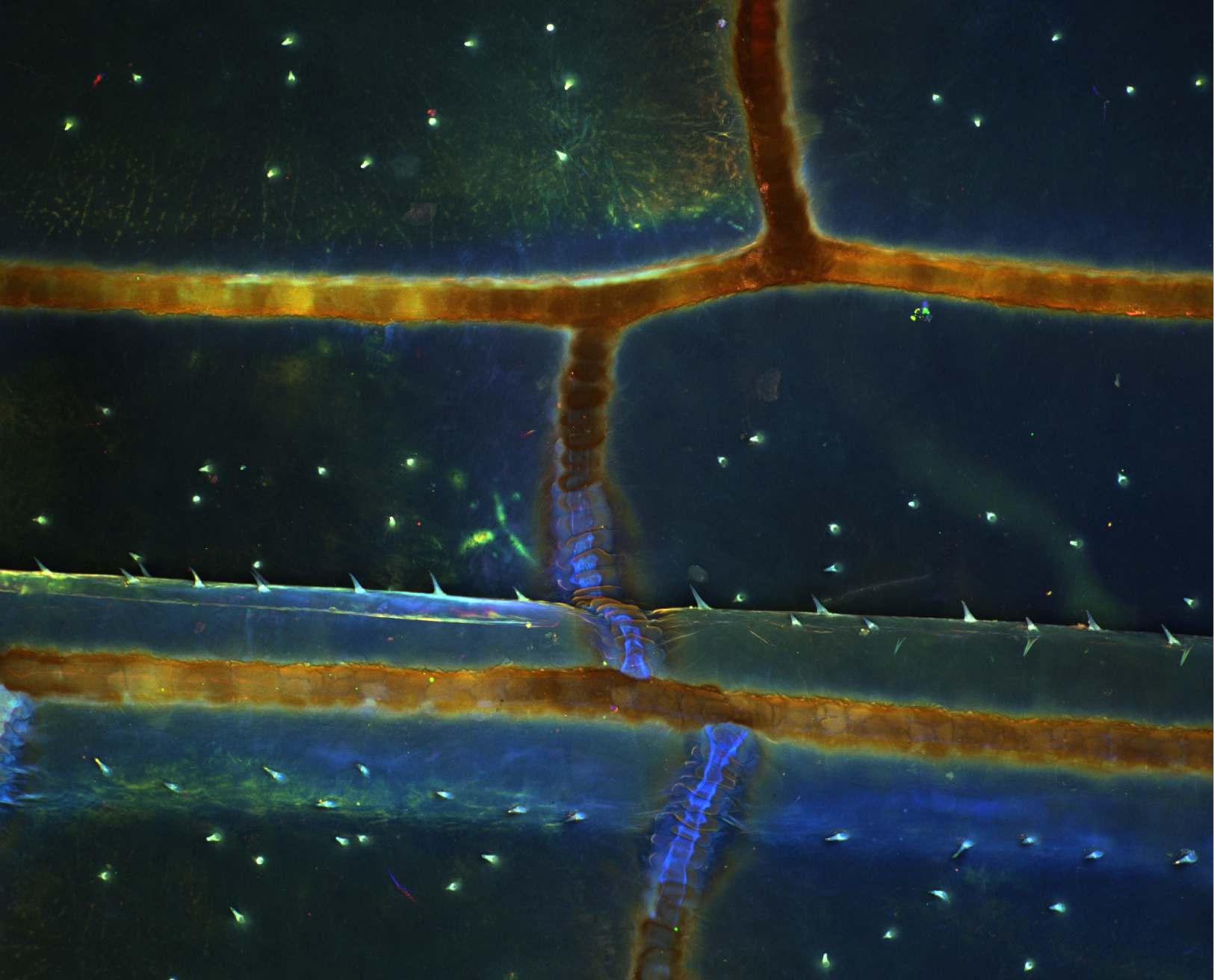
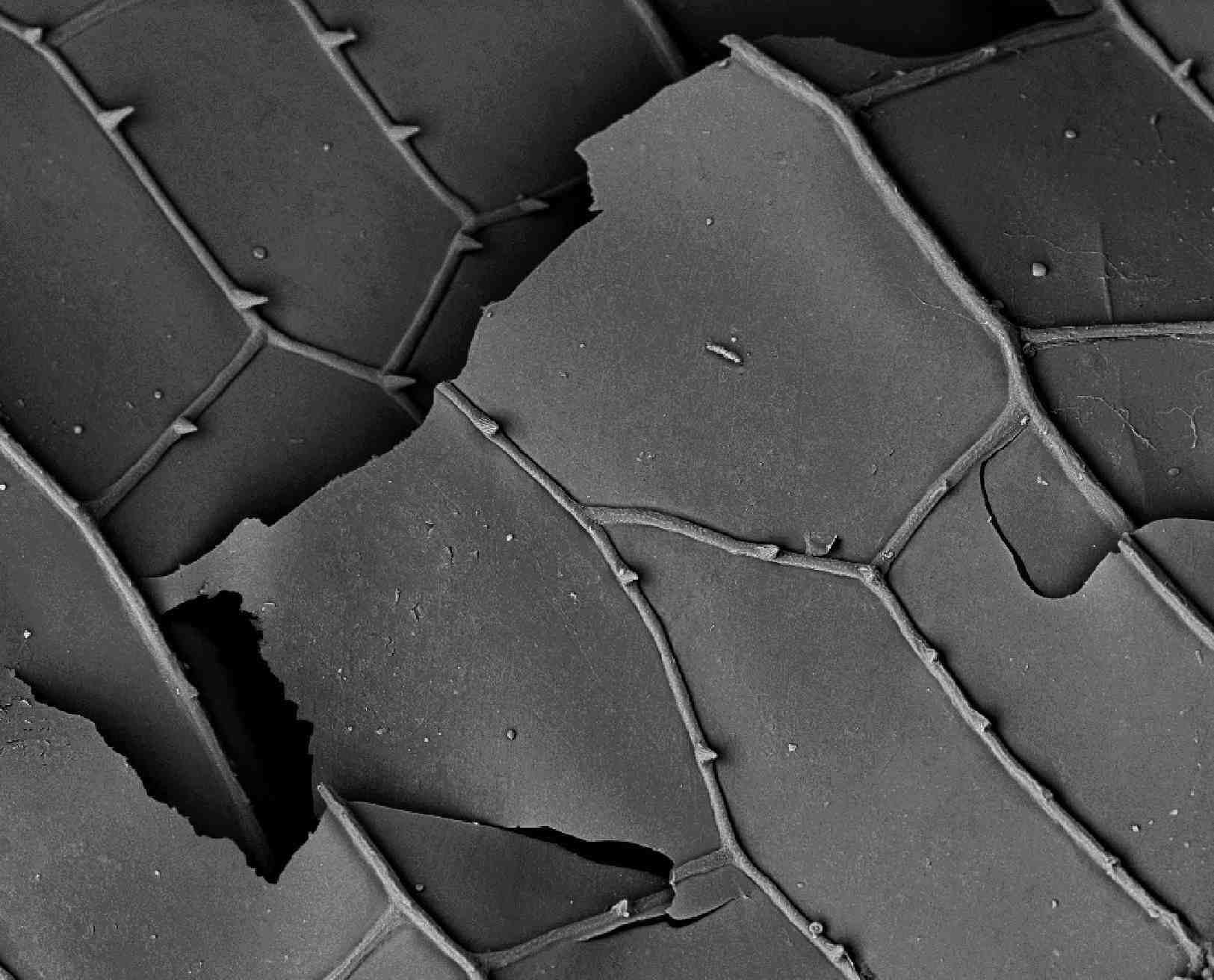
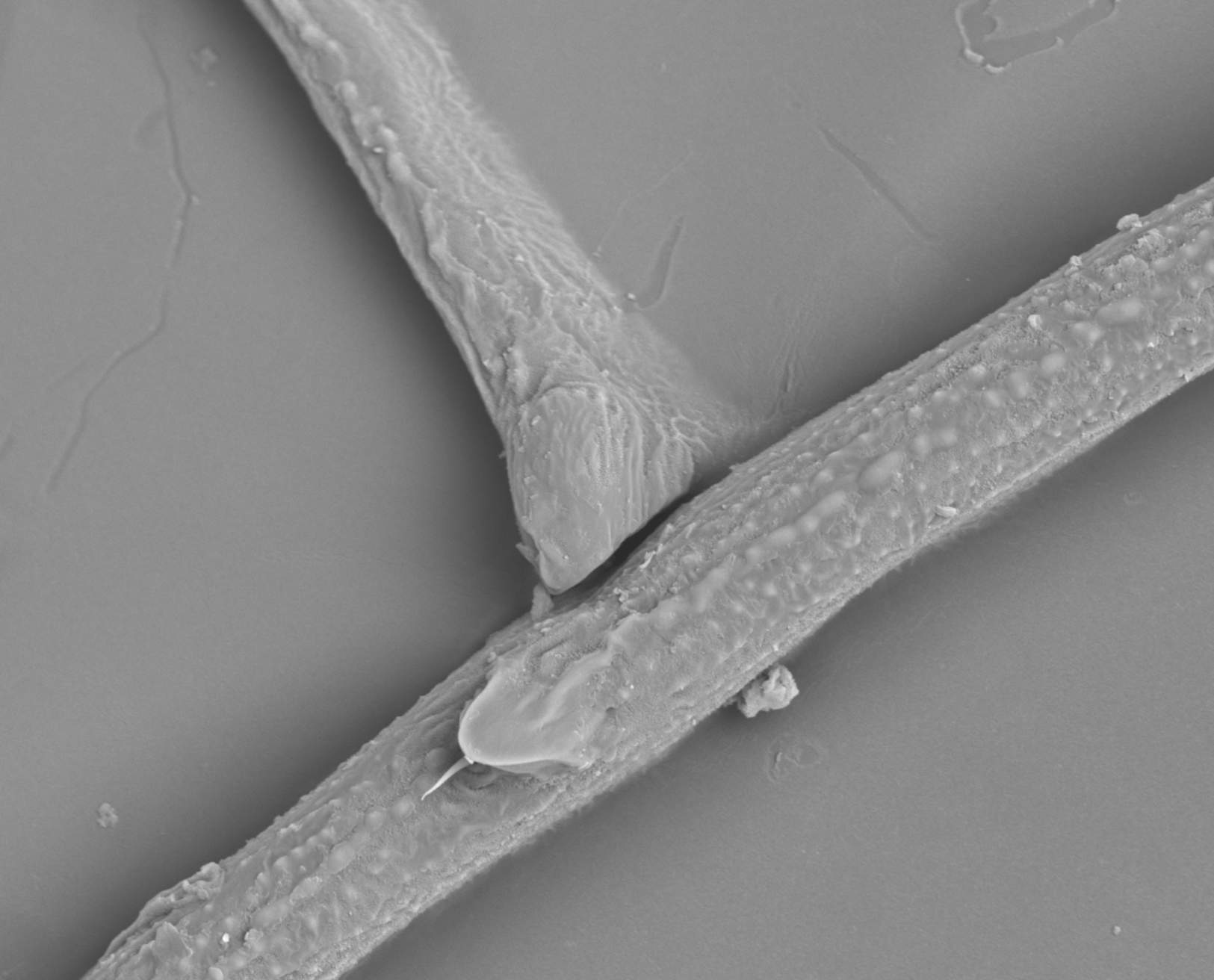
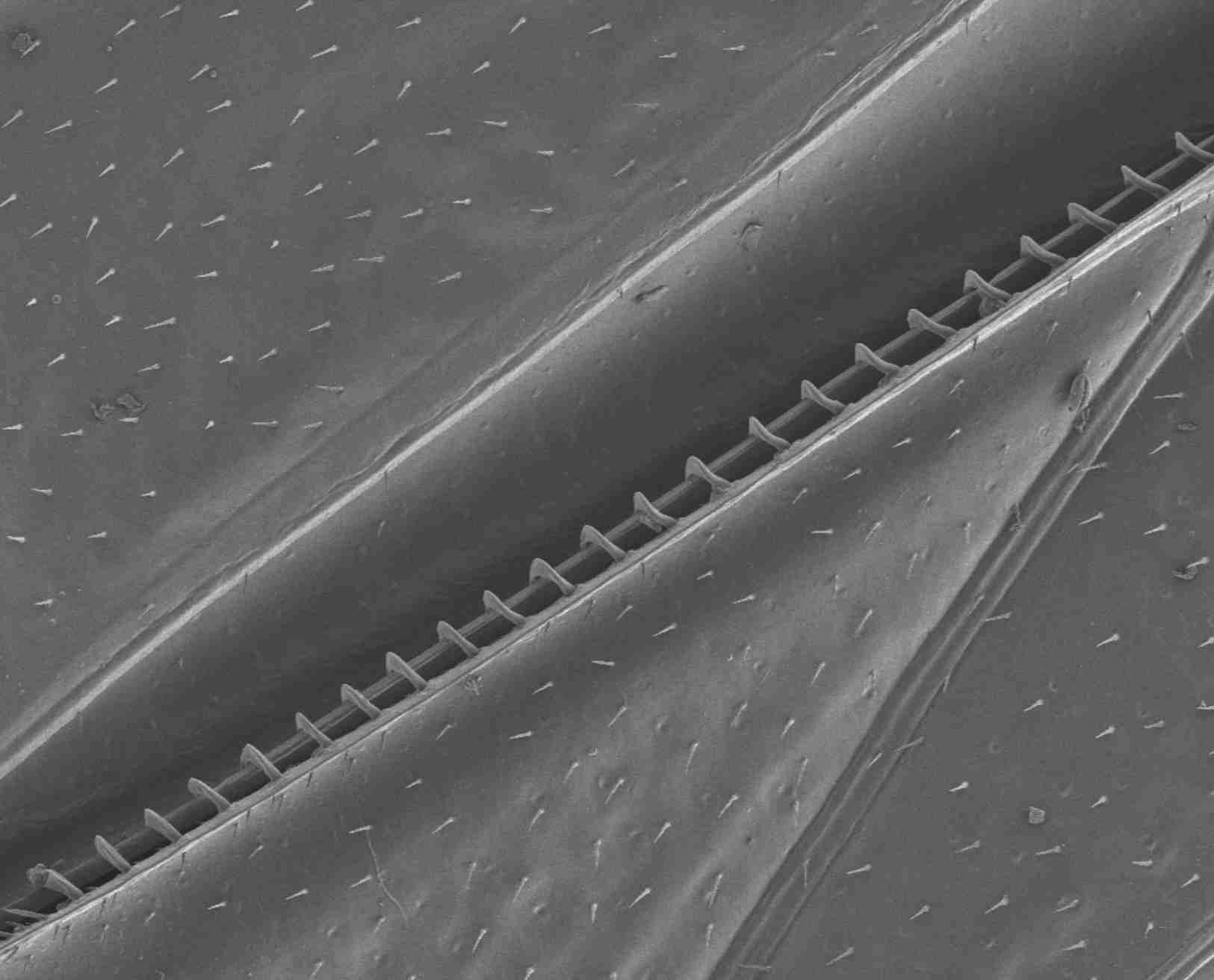
Explore high-detail microscopy images of insect wings, structural joints, biological surfaces, and natural mechanical systems.
Lab archive
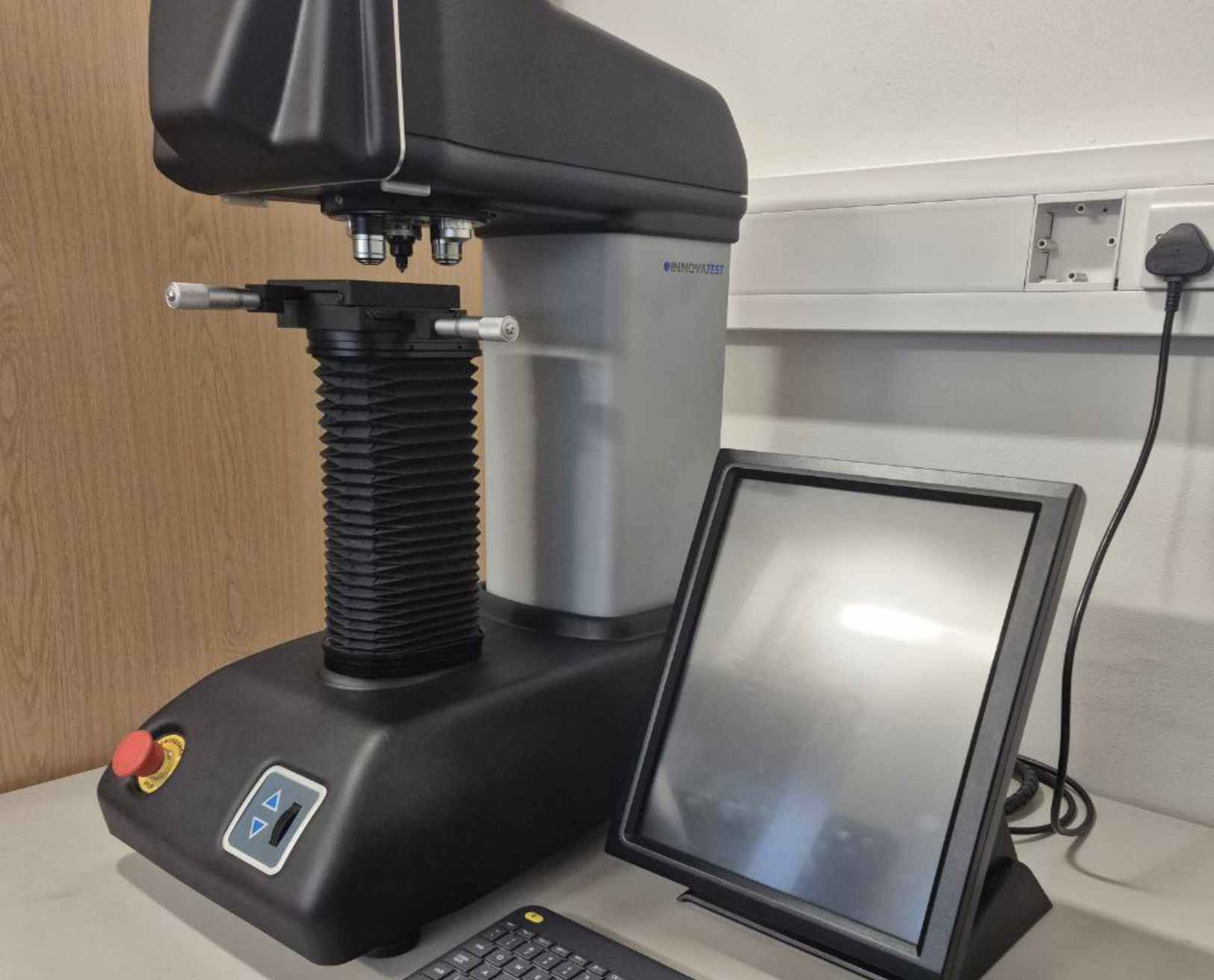
Browse the lab tools used for mechanical testing, high-speed imaging, microscopy, additive manufacturing, scanning, and prototyping.
In this fast-moving, volatile world in which human beings have made many adverse impacts on earth in an unsustainable way, we try to be inspired and lead by the Intelligence of Nature itself to build a more bright future.
We develop:
- Shape-morphing light-weight components
- Durable structural systems with variable stiffness
- Mechanically adaptive structures that combine mutually-exclusive properties of strength & compliance
- Multi-functional systems
- Adaptable systems that are activated automatically through their design strategies
are you interested in collaboration? Do you have any research question that we might be able to help you with?
Get in touch with us